Chewing habit is an important part of child's oral function
MyoGum is an auxiliary tool in specialist practice when the aim is to strengthen chewing function, promote more active work of chewing muscles, and form correct oral function habits.
Chewing habit is an important part of child's oral function
MyoGum is an auxiliary tool in specialist practice when the aim is to strengthen chewing function, promote more active work of chewing muscles, and form correct oral function habits.
Who might find this useful?
Pediatric dentists
MyoGum may be relevant for children with inadequate, asymmetrical or passive chewing habits. It can be used as an adjunct to orthodontic monitoring or treatment plans when attention to oral function and daily habits is important.
Speech therapists
Clear speech starts with proper oral function. MyoGum helps develop oral muscle function, which is important for articulation and sound production.
Myofunctional therapy specialists
MyoGum can be used as an aid in myofunctional therapy, when the aim is to strengthen chewing function, promote more active muscle work, and involve the child in a clear, easily understandable daily routine.
Other professionals working with children
The product can be included in the consultation process, recommendations for parents, or a basket of additional tools when the aim is to offer the child a practical solution for everyday use.
Pediatric dentists
MyoGum may be relevant for children with inadequate, asymmetrical or passive chewing habits. It can be used as an adjunct to orthodontic monitoring or treatment plans when attention to oral function and daily habits is important.
Speech therapists
Clear speech starts with proper oral function. MyoGum helps develop oral muscle function, which is important for articulation and sound production.
Myofunctional therapy specialists
MyoGum can be used as an aid in myofunctional therapy, when the aim is to strengthen chewing function, promote more active muscle work, and involve the child in a clear, easily understandable daily routine.
Other professionals working with children
The product can be included in the consultation process, recommendations for parents, or a basket of additional tools when the aim is to offer the child a practical solution for everyday use.
Why is chewing important?
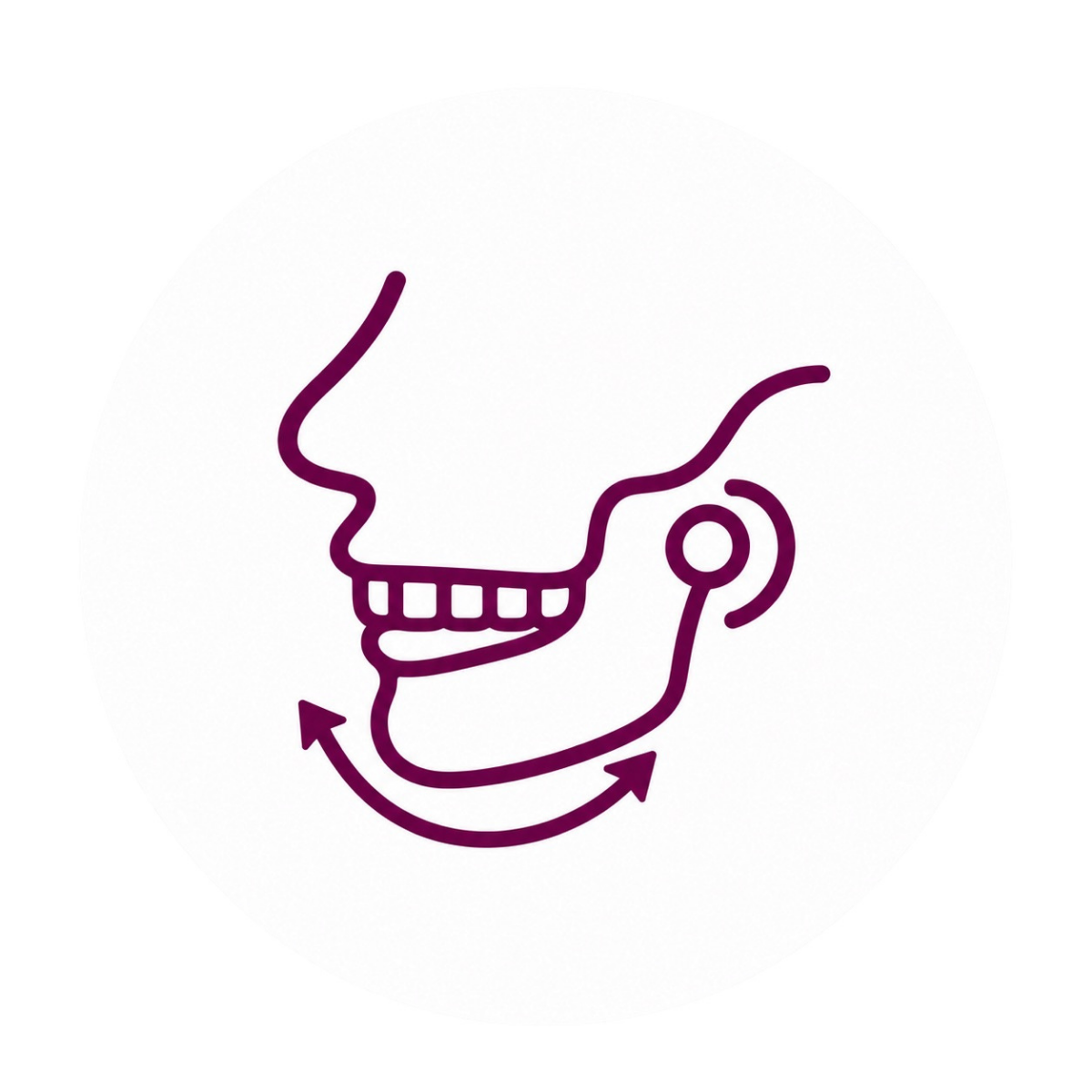
Chewing is not just the mechanical crushing of food. It is a complex functional process that activates the masticatory muscles, coordinates the work of the jaw, tongue, and other structures of the mouth and face, forms regular movement patterns, and encourages lip smacking and nasal breathing.
The issue with overly soft foods
The diet of modern children is often dominated by soft foods, so the chewing system does not receive sufficient exercise necessary for the strength of the chewing muscles and the harmonious growth of the jaws and facial structures.
Muscle gets stronger when it receives sufficient load
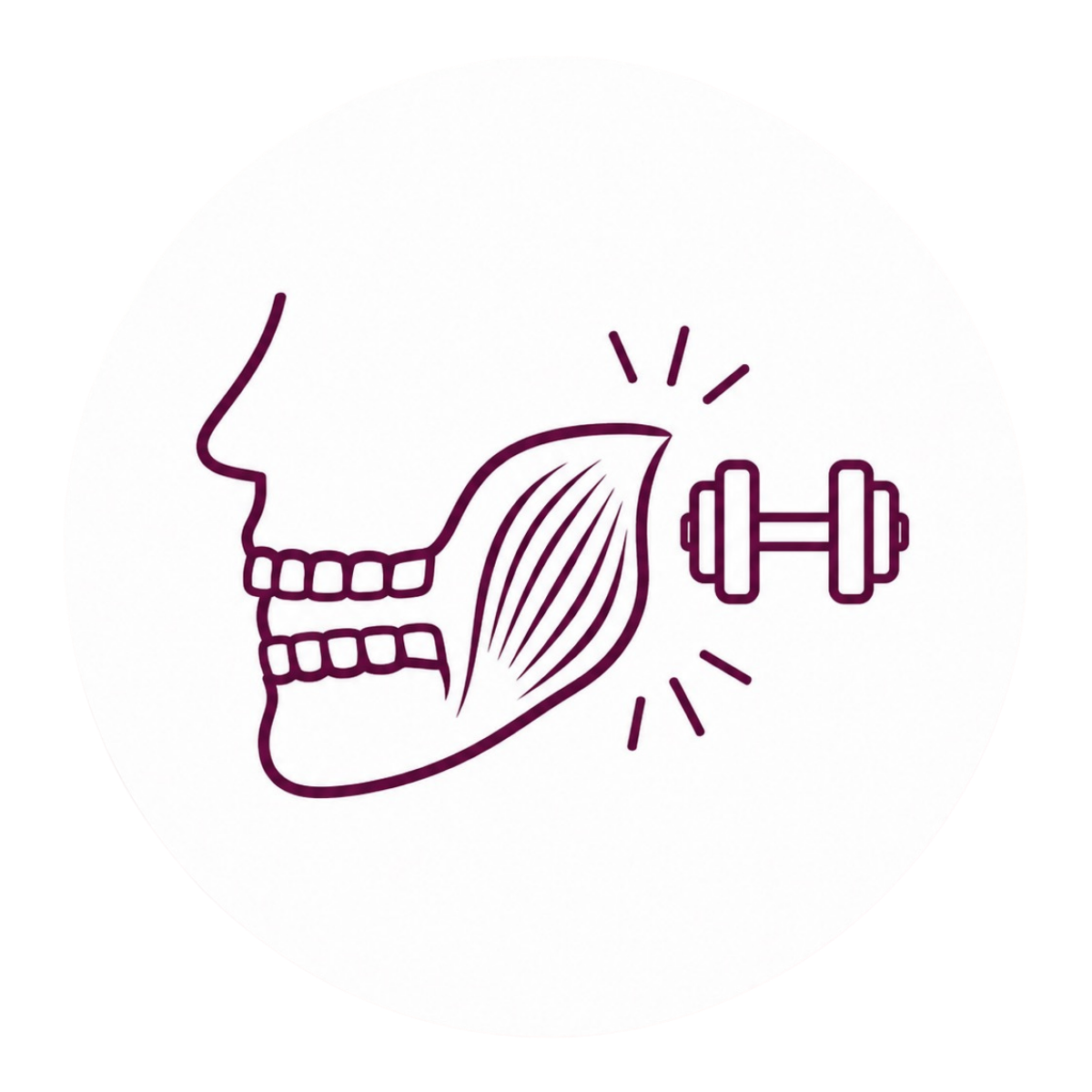
Like other muscles in the body, the masticatory muscles become stronger when they work and receive sufficient functional load.
Promotes nasal breathing
Sufficient masticatory muscle strength helps stabilize the lower jaw, keep the lips closed, and makes breathing through the nose easier.
Function is formed through repetition
Repetitive movements during chewing help form functional patterns, so not only theoretical recommendations but also regular practice are important.
Forming chewing habits with MyoGum
- Soft, quick-to-eat food
- Lower chewing load
- Shorter masticatory muscle work
- Inconsistent chewing habits
- Purposefully selected consistency
- Longer, more deliberate chewing
- More active work of chewing muscles
- Regularly repeated chewing habit
The consistency of MyoGum was purposefully developed to be comfortable for children, while also providing greater and longer-lasting chewing load than regular chewing gum.
What does active chewing develop?
Strength of masticatory muscles
Working against resistance helps strengthen muscles and develop their endurance.
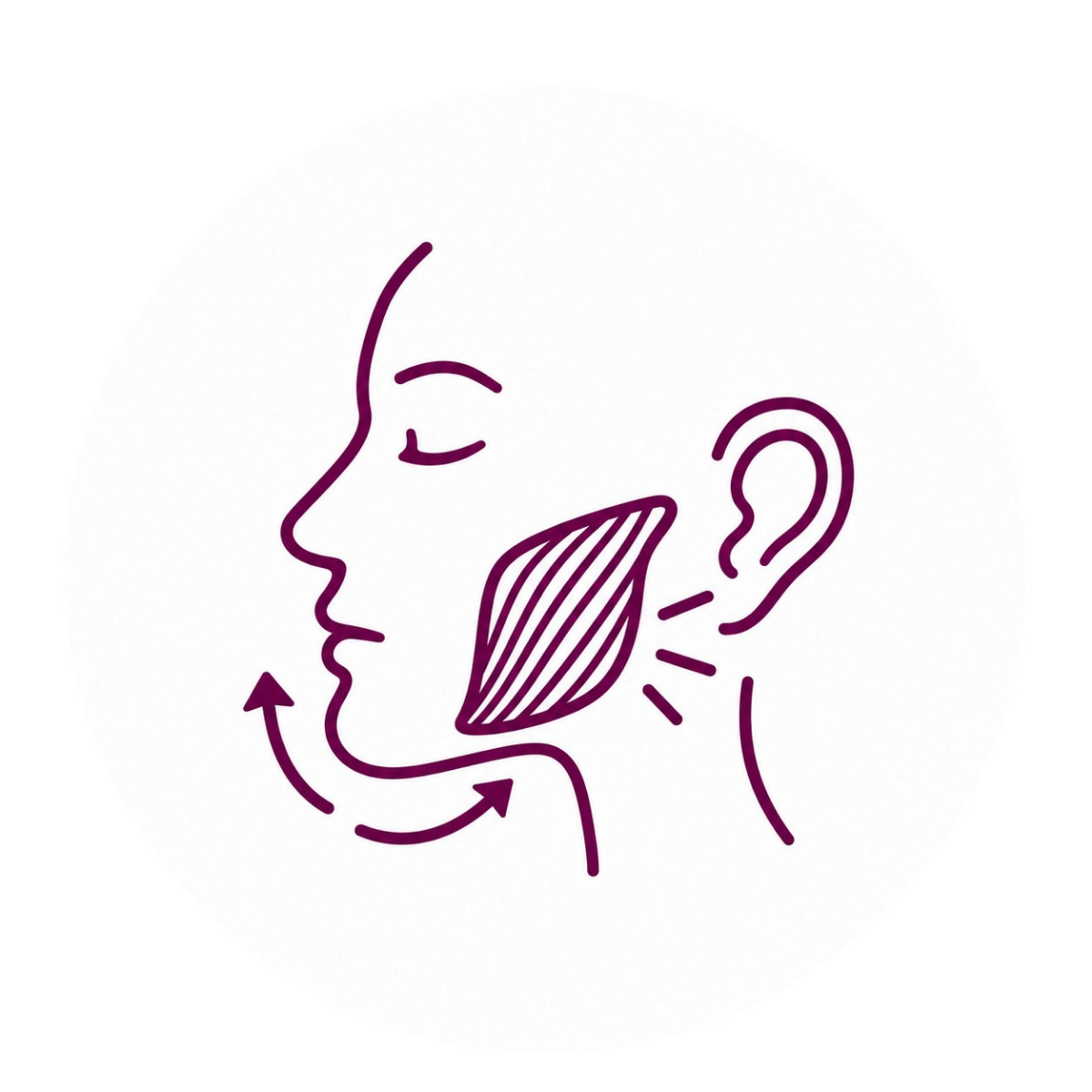
Jaw movement control
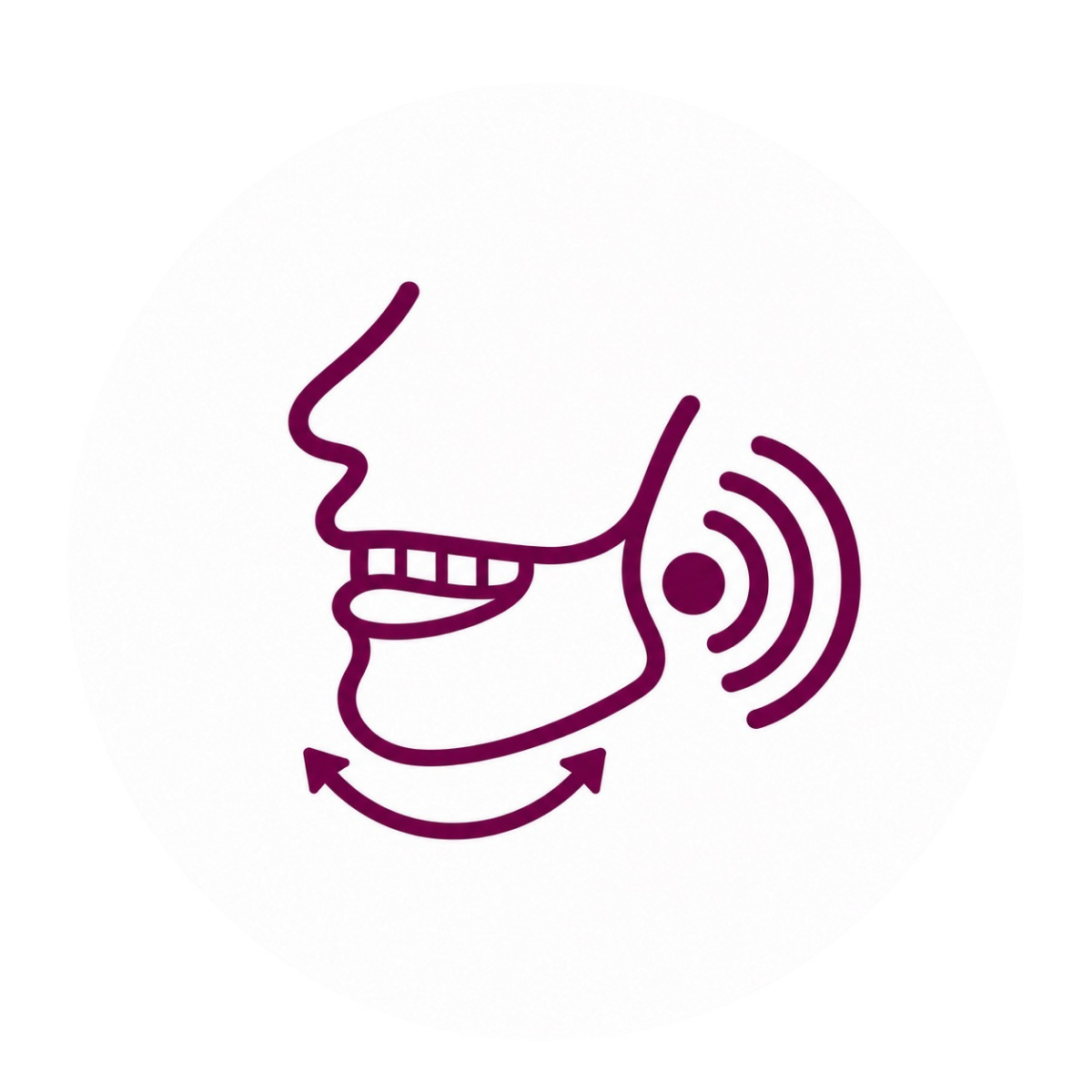
Rhythmic reciprocal jaw movements develop chewing coordination and precision
Sensory and motor control
Information about jaw position and resistance helps to more precisely control movement and chewing force.
Coordination of mouth and facial structures
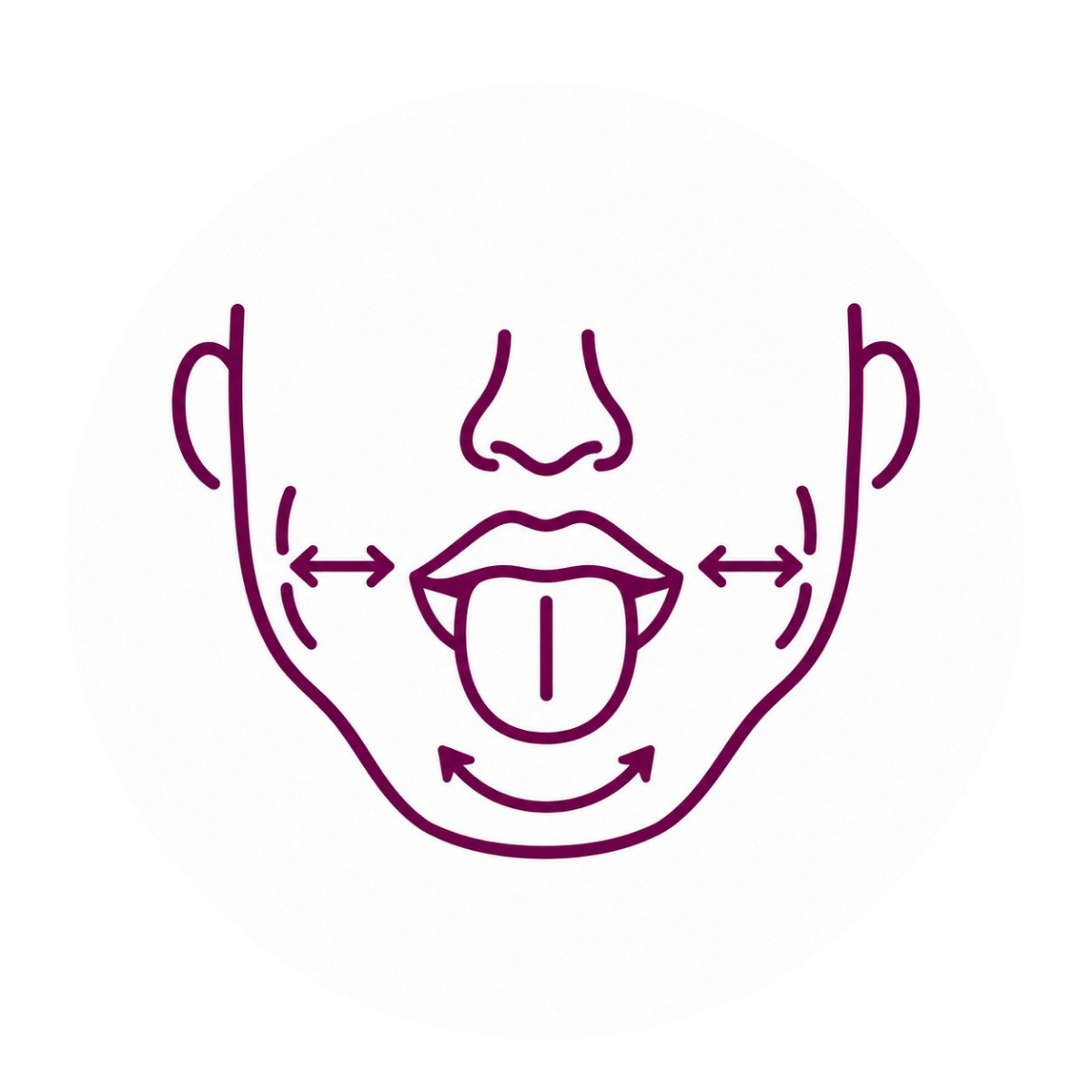
Chewing involves the coordinated work of the jaw, tongue, lips, and cheeks.
Information for professionals and clinics
We have prepared a PDF description for professionals, which provides more detailed information about:
- product purpose
- principles of use
- recommendations on how to introduce the product to parents
- information about consistency and functionality
Become a partner
Would you like to offer a practical tool in your clinic that will help parents more easily incorporate chewing routine into their child's daily life? Contact us for partnership, product sourcing, materials, and distribution opportunities.
We cooperate with:
- orthodontists
- dental clinics
- speech therapy specialists
- myofunctional therapy specialists
- physiotherapists and occupational therapists